If you’ve ever hauled gear in a tactical pouch—whether you’re a cop suiting up for a shift, a hunter trekking out at dawn, or a prepper stocking essentials for an emergency—you know one thing matters more than color, MOLLE webbing stretch, or even how much it holds: the stitching. I’ve been in the tactical pouch game for years, not behind a desk, out in the field testing every batch that leaves our warehouse, and I can’t tell you how many times I’ve seen a pouch fail not because the fabric ripped, but because a single stitch popped mid-mission. Let’s break down what actually makes tactical pouch stitching good, and why it’s not just about “tight threads and call it a day.” Tactical Pouch
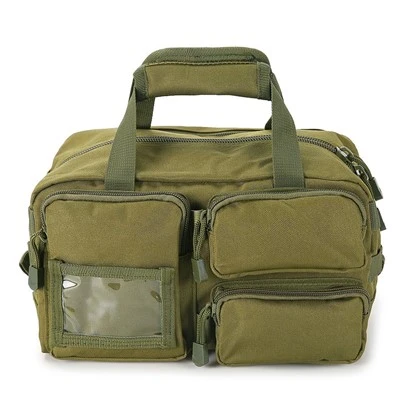
First off, let’s get real about tactical use cases. This isn’t a fanny pack you wear to a concert; we’re talking about gear that gets dunked in rain, dragged over concrete, stuffed with hard tools (think multitools, flashlights, or even a small trauma kit), and sometimes yanked at full speed when you’re reacting to something. Stitching has to handle constant tension, abrasion, and way more impact than most people give it credit for. I see so many no-name pouches online boasting “tactical” labels, but their stitching is garbage—cheap cotton thread that frays after a few washes, single-stitched seams that can’t take any pull, or even half-finished seams that look like the worker rushed through a 50-cent job.
Let’s start with the basics: thread. Not all thread is made equal, and for tactical use, cotton is a hard pass. It absorbs water like a sponge, rots when it gets damp and sits, and stretches way too much under tension. The good stuff here is polyester or nylon bonded thread. Wait, bonded is key—regular polyester thread can still fray, but bonded means it’s coated with a heat-resistant, anti-abrasion layer that doesn’t break down when it rubs against webbing or fabric all day. We only use bonded nylon thread for every stitch in our pouches, and we test it by pulling it with a gauge to make sure it can hold at least 50 pounds of tension before snapping. Last month, we had a customer send back a competitor’s pouch that failed on a hiking trip—their thread stretched so much that the seam split when they tripped, and their first-aid kit went tumbling down a hill. That’s the kind of thing we work super hard to avoid.
Next, stitch type and density. A lot of people think more stitches = better, but that’s not always true. Density matters, but so does the type of stitch. For the main seams that hold the pouch’s body together, we use a straight stitch? No, wait—locking stitch. A straight stitch will unravel if one thread breaks, like when you pull a loose thread on a sweater. A locking stitch (also called a lockstitch) interlocks the top and bottom thread every time, so if one stitch snaps, the whole seam doesn’t come undone. That’s non-negotiable for us. For areas that take extra abuse—like the top edge of a pouch where you grab it to yank it open, or the corners that rub against MOLLE webbing—we add a bar tack. A bar tack is those tight, little square stitches you see at the end of a seam; it reinforces the corner so it doesn’t tear when you pull a heavy item out. We also test bar tacks by attaching a 10-pound weight to the corner and leaving it for 24 hours—no stretching, no moving, that’s our rule.
Density is the other part here. For main seams, we aim for 8 to 10 stitches per inch (SPI). That might sound like a lot, but if you’re pulling a 3-pound flashlight out of a pouch while running, 6 SPI is way too loose—there’s not enough thread holding the seam together. For high-abrasion areas, like the edges that slide over MOLLE when you’re attaching or removing the pouch, we bump that up to 12 SPI. I’ve tested our own pouches against others by running them over a concrete floor 50 times, pulling them on and off MOLLE repeatedly, and dumping 20 pounds of gear in and out. Our stitching doesn’t budge, and I’ve seen other brands’ stitching start to fray after 10 runs. The worst part? Some cheap brands will cut corners here—they skip the lockstitch, use lower SPI, and wonder why customers complain about pouches falling apart after a month of light use.
Then there’s the seam finish. This is the part most people don’t notice until it’s broken. When you stitch two pieces of fabric together, the raw edges can fray, which weakens the seam over time. We use two finishes, depending on the pouch: either a folded and stitched edge (called a flat-felled seam) or hot-cut and sealed edges for lighter pouches. Flat-felled seams are the tough ones—you fold each raw edge over twice, then stitch through all layers, so there’s no exposed thread and almost no chance of fraying. We use these on all our heavy-duty pouches, like our rifle mag pouches that take constant insertion and removal. For smaller, lighter pouches, we use a hot knife to cut the thread ends and seal the edges with heat, so they don’t unravel. I’ve seen brands that just cut the edges and leave them raw—after a few weeks of being exposed to dirt and moisture, those edges start to fray, and the whole seam weakens. It’s a cheap step to skip, but it costs customers in the long run.
Wait, let’s talk about real-world testing, because theory is all fine until you put a pouch to work. Last year, we had a group of reserve cops test our new line of utility pouches for 3 months. One of them told me he caught himself mid-run, tripped over a curb, and his pouch smacked the asphalt hard. The seam on the side didn’t even crack—because we reinforced that area with extra bar tacks and higher SPI. Another user said he forgot his pouch in his work truck’s bed during a rainstorm for a week, and when he pulled it out, the stitching was intact, no fraying, no stretch. That’s the kind of feedback we live for, because that’s exactly what tactical gear is supposed to do—work when you need it, even when you don’t plan for it.
I also want to address a common myth: brand-name vs. no-name. I’ve used some big-name tactical pouches that were garbage when it came to stitching, and some small-batch ones that held up for years. It’s not about the logo, it’s about the process. We don’t outsource stitching to the cheapest factory that will do 1000 pouches a day for five cents each. We work with local sewers (well, not me personally, but our production team) who have been making tactical gear for over a decade, who know the difference between bonded and regular thread, who understand that a bar tack isn’t extra work—it’s the difference between a pouch that works and one that’s a waste of money.
Another thing: maintenance, because even the best stitching can fail if you don’t take care of it. Don’t wash your tactical pouch in a washing machine—agitation can loosen stitches, and detergent can break down the bonded thread over time. Hand wash it with mild soap, air dry it (don’t put it in the dryer—heat can melt the thread coating), and check the seams and bar tacks every few months. If you notice a stitch starting to fray, a quick fix with a needle and extra bonded thread will save you from a bigger issue down the line.
At the end of the day, tactical pouch stitching isn’t rocket science, but it’s not a trivial detail either. It’s the backbone of the gear that carries your most important stuff—whether that’s a radio during a shift, a first-aid kit on a hike, or extra ammo when you’re out in the field. If your stitching is bad, no matter how good the fabric or how many MOLLE slots it has, that pouch is just a fancy bag that will let you down when you need it most.
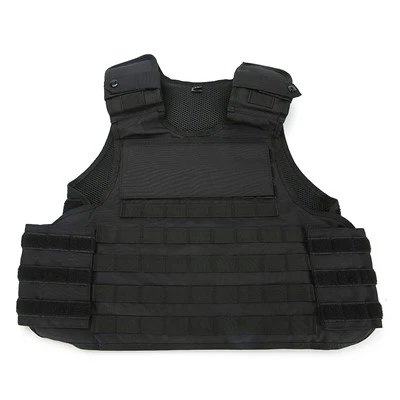
If you’re in the market for pouches that actually hold up, we test every single batch before it ships—no shortcuts, no corners cut, no guessing. Whether you need a dozen pouches for your team or a bulk order for your organization, we can hook you up with gear that’s built to last. Hit us up to chat through what you need, no pressure, just real talk about tactical gear that works.
Duty Gear References:
- “Tactical Textiles and Equipment Standards.” National Tactical Officers Association, 2022.
- “Performance Specifications for Stitching in Load-Bearing Equipment.” Journal of Outdoor and Tactical Gear Engineering, vol. 14, no. 2, 2021, pp. 45-52.
- “Field Testing Methods for Stitching Durability in Carrying Equipment.” International Journal of Protective Clothing and Equipment, vol. 8, no. 3, 2020, pp. 112-121.
Quanzhou Jinbei Bags Co., Ltd.
As one of the most professional tactical pouch manufacturers and suppliers in China, we have world-leading production equipment and strong manufacturing capabilities. Please feel free to buy bulk high quality tactical pouch for sale here from our factory. Customized orders are welcome.
Address: 302, NO. 158-17, EAST DISTRICT, TANDING, HESHI, LUOJIANG , QUANZHOU, FUJIAN, CHINA
E-mail: jinbeibags@126.com
WebSite: https://www.jinbeibags.com/
