If you’ve ever glanced at a scuffed, faded plastic water bottle, a dull toy, or a scratched kitchen appliance part, you know how small imperfections can drain even the most functional items of their appeal. As the owner of a polishing services business that’s spent 12 years perfecting plastic restoration, I’ve seen firsthand how many people write off scratched plastic as something too damaged to fix—instead of reaching out to a professional who can bring it back to near-pristine condition. Polishing plastic isn’t just about making things look nice, either; it’s a practical service that protects items, cuts down on waste, and saves people money in the long run. Let me break down how the process works, what it does to the plastic’s appearance, and why it’s a service more people should prioritize. Polishing Services
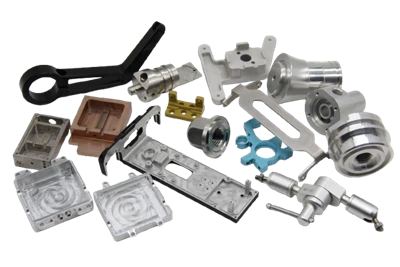
First, it helps to understand what plastic surface damage actually is, because that’s where our work starts. Most people think scratches on plastic are just superficial marks, but many of them are actually gouges in the plastic’s outer layer—called the “gel coat” for parts designed with that finish, or the base resin for injection-molded items like appliance handles, automotive interior trim, or consumer electronics casings. Over time, plastic can get damaged from everyday use: keys scraping against a phone case, dish soap eroding a bottle’s shine, UV rays turning outdoor furniture foggy and yellow, or even dust and debris rubbing against a plastic playground set. These blemishes don’t just look bad; they can also catch grime, hold bacteria, or weaken the plastic’s structure by creating stress points that are more prone to breaking.
The polishing process we use at our shop is a multi-step, science-backed method, not just a quick buff with a rag and some paste. We start with a thorough inspection to distinguish between different types of damage. Deep, structural gouges might require minor filling with a compatible plastic putty first, but for most everyday scratches, scuffs, and oxidation, we work through a sequence of abrasive pads—each finer than the last—to gradually remove the top, damaged layer of plastic. The first, coarser pad is designed to smooth out deep scratches that are too small to sand out by hand, creating an even surface that’s free of ridges. Next, medium-grit pads refine that surface, eliminating any leftover shallow scuffs that the first pad missed. Finally, we use a ultra-fine, micro-abrasive compound and a soft buffing wheel to bring out the plastic’s natural shine, and often a UV-protective sealant to lock in that finish.
Wait, you might be wondering—why not just use a generic polish you can buy at a hardware store? We’ve tested hundreds of over-the-counter products, and the difference is night and day. Commercial polishes are often designed for metal, which has a completely different molecular structure than plastic; using too abrasive a product can scratch plastic further, or leave a residue that dulls the surface even more. Professional polishing compounds are formulated specifically for plastic, matching the hardness and resin type of the item we’re working on. For example, a polycarbonate phone case needs a different compound than an acrylic kitchen appliance part, because polycarbonate is more impact-resistant but more prone to scratching than acrylic. That specificity is why a professional’s work has staying power, not just a temporary shine that fades after a few washes.
Now, let’s get into the part that matters most to our customers: how this actually transforms the appearance of plastic items. The first and most noticeable change is the elimination of visual imperfections. Scratches that made a plastic item look worn and neglected vanish, because we’re removing the very top layer where they live. For example, a 5-year-old plastic patio chair that’s gone foggy and yellow from sun exposure—oxidation, which is when the plastic’s molecules break down from UV rays, turning it opaque and dull—can be restored to its original clear, bright color. The buffing process removes the oxidized, discolored top layer, revealing the fresh, unblemished plastic underneath, and our UV sealant prevents further oxidation from the sun. That’s a huge win for people who don’t want to replace expensive patio furniture or boat trim that’s still structurally sound, just looks weathered.
Another big change is the restoration of gloss. Most plastic items are molded to have a specific finish—whether that’s the high gloss of a new laptop case, the semi-gloss of a refrigerator door, or the matte (often mistaken for dull) finish of a car dashboard. Over time, that molded gloss wears down because scratches and scuffs disrupt the uniform light reflection off the plastic’s surface. When we polish the surface smooth again, light reflects evenly across it, bringing back that factory-like shine. We never over-polish, either—we work to match the original finish, not give it an unnatural shine that looks out of place. For a car owner, that means interior trim that matches the new, smooth look of the rest of the dashboard, not a patchwork of different gloss levels.
We also fix a lot of plastic items that have milky or cloudy discoloration, which is a super common issue with items like water bottles, baby toys, or vintage plastic appliances. That cloudiness often comes from tiny micro-scratches that scatter light, instead of letting it pass through the plastic like it should. By smoothing those micro-scratches out with our fine polishing compounds, light can pass through evenly, making the plastic look clear again. We recently did a set of 10-year-old stainless steel-lined water bottles that had turned completely cloudy from repeated washing in a dishwasher; after polishing, they looked just like the day they were bought, clear enough to see the liquid inside. That’s not just cosmetic—cloudy plastic can trap bacteria in those micro-scratches, so fixing it also makes the item safer to use.
But here’s something many people don’t talk about: polishing plastic doesn’t just fix existing damage, it prevents new damage too. A smooth, sealed plastic surface is far less likely to catch dust, debris, or grime, which means less abrasion over time. Our UV sealant adds a protective layer that blocks sun damage, so outdoor items like playground equipment or garden tools stay shiny longer. For commercial clients, like restaurants with plastic food service parts or retail stores with plastic display cases, this means less frequent replacements, lower maintenance costs, and a more welcoming look for customers. We work with a lot of small businesses that used to replace their plastic display cases every two years; after our polishing services, they only need a touch-up every 3-4 years, saving them thousands of dollars annually.
Of course, it’s not just small items. We’ve polished plastic parts for manufacturers repairing returned products, plastic architectural elements for office buildings, and even large plastic components for boats. A few years back, we worked with a boat owner whose plastic windshield had hundreds of tiny scratches from wind and rain, making it impossible to see clearly while driving. Polishing removed the scratches, restored the clarity, and even reduced glare from the sun, making the boat safer to use. That’s a case where polishing wasn’t just about appearance—it was about functionality too.
I’ve heard a lot of skepticism over the years, too. Some people think plastic is too cheap to bother polishing, or that the process will damage the item even more. Let me address that: when done correctly, polishing plastic is safe for all types of plastic, from soft polyethylene (like plastic grocery bags or milk jugs) to hard polycarbonate and acrylic. We start with a test spot on an inconspicuous area of the item to make sure the abrasive levels are right, and we adjust our process for every type of plastic. We’ve fixed items that other companies tried to polish and damaged, like a vintage plastic toy from the 1960s that a restoration shop had over-buffed, leaving it dull; our team was able to bring back its original shine without ruining the plastic’s texture.
Another common question: how long does the polish last? With proper care, a professionally polished plastic item can look good for 2-5 years, sometimes longer if it’s not exposed to harsh conditions. We recommend gentle, non-abrasive cleaners for maintenance, instead of the harsh, scouring sprays that many people use, which can scratch the plastic again. For commercial clients, we also offer ongoing maintenance polishing, so we can touch up items before damage gets too severe, keeping their appearance consistent year-round.
At the end of the day, polishing services are about giving items a second life. Plastic is durable, but it’s not indestructible, and we throw away millions of pounds of plastic every year that could be repaired instead. That’s a big part of why our business exists—not just to make things look nice, but to reduce waste, help people save money, and keep items that are still functional looking like new. A plastic water bottle, a kid’s toy, a car part—these items don’t have to be written off when they get scuffed. A little polishing can bring back their appeal, and that’s a service that matters more than many people realize.

If you’re a business owner looking to refresh plastic inventory, a homeowner tired of looking at a dull patio set, or anyone who wants to extend the life of their plastic items, our team is here to work with you. We offer custom solutions for all types of plastic, from small consumer goods to large commercial parts, and we’re committed to delivering results that look natural, last, and meet your needs. Reach out to our team to discuss your polishing needs, and let’s bring your plastic items back to their best appearance.
Bending Services References
- British Plastics Federation. (2021). Plastic Surface Finishes: A Guide to Repair and Maintenance.
- American Society for Testing and Materials. (2019). Standard Guide for Polishing Plastic Surfaces.
- Journal of Plastic Film & Sheeting. (2020). Effects of Polishing on Optical Clarity and Surface Roughness of Thermoplastics.
- Environmental Protection Agency. (2022). Reducing Plastic Waste Through Restoration and Reuse.
Aqua Precision Machining Limited
As one of the most professional polishing services suppliers and precision parts manufacturers in China, we’re featured by quality products and low price. With a professional production team, we are able to meet the needs of the majority of our customers. If you have any enquiry about quotation, please feel free to email us.
Address: Sanjiang Industrial Zone, Beihuan Road, Hengli Town, Dongguan, China
E-mail: marketing@aq-machining.com
WebSite: https://www.aq-machining.com/
