Alright, let’s get this straight. If you’re here because you think cleaning an infusion bottle is just rinsing it with tap water, you’re dead wrong—especially if you’re using these bottles for medical, lab, or even high-grade cosmetic products. I’ve been an infusion bottle supplier for over 8 years, and let me tell you, I’ve seen first-hand what happens when someone skips a step: contaminated samples, rejected batches, and even some close calls with lab techs getting sick. Today, I’m walking you through exactly how to do this right, no fancy lab degree required, and I’m keeping it real—no stuffy industry jargon, just what works. Infusion Bottle

First off, let’s talk about why this matters. Infusion bottles aren’t like your old soda bottle that you refill once. These are designed to hold sterile liquids, IV solutions, lab reagents, or even sensitive skincare actives. Residual stuff from a previous use, tap water minerals, or even regular dish soap can mess up the entire batch you’re planning to fill next. I’ve had a customer reach out to me once panicking because 200 of our 500mL infusion bottles came back dirty—turns out their staff used hand soap to rinse them. That’s a no-go. Hand soap has fragrances, moisturizers, and tiny bits of oil that get stuck in the crevices of the bottle’s neck or the base, and you can’t get that out with just a rinse.
Let’s break this down step by step, in order—skip any step and you’re asking for trouble.
First, pre-rinse immediately after use. Don’t let the residue dry on. I can’t stress this enough. If you fill a bottle with, say, a saline solution, and then leave it on the counter for 12 hours before cleaning, the salt crystallizes, and that’s way harder to remove. Grab the bottle as soon as you empty it, and run cold water (not hot—hot water can set protein residues if you used the bottle for something like a lab serum) into it, swish it around, and dump it. Do this 2 or 3 times to get rid of the bulk of the leftover liquid.
Next, the actual cleaning step. This is where most people mess up. You need a mild, pH-neutral detergent—like the kind used for cleaning lab glassware, or even a fragrance-free, dye-free dish soap that’s labeled for “medical glassware.” Wait, but don’t use too much. A drop or two per 1L bottle is enough. If you use more, you’ll have to rinse way more, and residue from the soap will stay. Now, use a bottle brush—one with soft, nylon bristles, not steel wool (that scratches the glass or plastic, creating tiny grooves where bacteria hide). Scrub every inch: the inside walls, the bottom, the neck, and even the threads on the outside of the neck (that’s where residue gets stuck when you screw on a cap). For narrow-necked infusion bottles, a long, skinny bottle brush works best—don’t try to use a regular toothbrush, it’s too short.
Once you’ve scrubbed it, you need to rinse thoroughly. This is another step people cut corners on. First, rinse with warm tap water—warm helps lift the soap, but not hot. Do this at least 5 times, turning the bottle each time so every surface gets hit with water. Then, to make sure there’s no soap left, do a final rinse with distilled water. Tap water has minerals like calcium and magnesium, which leave spots and can contaminate your next product. I always tell my customers: if you’re filling the bottle with something that needs to be sterile, that final distilled water rinse is non-negotiable. Even if you’re just using it for storage, why risk it?
Now, if you’re dealing with reusable glass infusion bottles (we sell a ton of these to labs), you might need to do a deep clean once a month or after heavy use. For that, you can soak the bottles in a 10% bleach solution (mixed with cold water) for 30 minutes. Wait—bleach is safe here, right? As long as you rinse it really well afterward. The key is to not soak them for longer than 30 minutes, because bleach can etch glass over time, which ruins the bottle. After soaking, do the scrub and rinse steps like normal, then let them air dry. Never use a paper towel to dry the inside—paper towels leave lint, which is another contaminant. Lay them upside down on a clean rack in a dust-free area, or let them stand upright on a clean towel, but make sure the opening is facing up so air circulates.
What about plastic infusion bottles? A lot of people ask me about these, because plastic is more common for single-use but some labs reuse them too. Plastic is trickier because it can hold on to odors or residues more than glass. For plastic bottles, never use a abrasive scrubber—even the soft nylon brush can scratch plastic if you’re too rough. Also, don’t use bleach on plastic unless it’s labeled bleach-resistant, because it can cause the plastic to break down over time. For plastic, stick to the mild detergent, distilled water rinse, and air dry—no soaking in bleach. And if you notice the plastic getting cloudy or scratched, just toss it—those scratches are bacteria magnets, no matter how much you clean.
Wait, let’s talk about common mistakes I see all the time. First, reusing the same cleaning water. If you scrub one bottle and then use that same soapy water for the next, you’re just spreading residue from the first bottle to the second. Always use fresh detergent water for each batch. Second, not cleaning the bottle cap or accessories. The cap, stopper, and even the drip chamber (if your infusion bottle has one) get dirty too. You can’t just clean the bottle itself. Take the cap apart, scrub the threads, rinse the stopper, and for drip chambers, use a small brush to get inside the narrow tubes. Third, storing clean bottles in a dirty cabinet. If you just cleaned 10 bottles and then toss them on a shelf that’s covered in dust and grime, you might as well not have cleaned them at all. Store them in a sealed container or a dust-free rack until you’re ready to fill them.
I know this sounds like a lot, but trust me, it’s way easier than dealing with a batch of bad product because of a dirty bottle. We’ve supplied infusion bottles to labs, medical supply companies, and even small-scale cosmetic brands for years, and the ones that follow these steps are the ones that come back to reorder—they know consistent, clean bottles mean their work or their products are safe.
Now, let’s say you’re new to this, or you’re in a pinch. What if you don’t have distilled water? Well, if you’re not working with sterile products, filtered water works, but distilled is better. And if you’re dealing with a really stubborn residue—like dried protein from a lab sample—you can add a little baking soda to the detergent solution. Baking soda is gentle, cuts through residue, and rinses away easily. Just don’t use too much baking soda, it can leave a slight alkaline taste or residue if you don’t rinse well.
Another thing: if you’re using infusion bottles for IV use, this cleaning process isn’t enough for reprocessing—you need to autoclave them. That’s a whole other step, but most of our medical customers have autoclaves, and they pair this cleaning process with that. For non-medical use, like skincare or general lab reagents, the steps I laid out are enough to keep your bottles clean.
Look, I’m not here to sell you something you don’t need. But I will say, if you’re buying infusion bottles, make sure they’re made of high-quality glass or food-grade plastic, because cheap bottles have tiny defects that make cleaning harder. I’ve had customers switch from a budget brand to our bottles and tell me they cut their cleaning time in half, because our bottles have smooth, even surfaces without those little crevices where residue gets stuck.
At the end of the day, cleaning an infusion bottle isn’t rocket science, but it’s non-negotiable. If you take shortcuts, you’re putting your products, your samples, or even people’s health at risk. We’re an infusion bottle supplier that works with all kinds of businesses, and we know that our customers need reliable, clean products to do their best work.
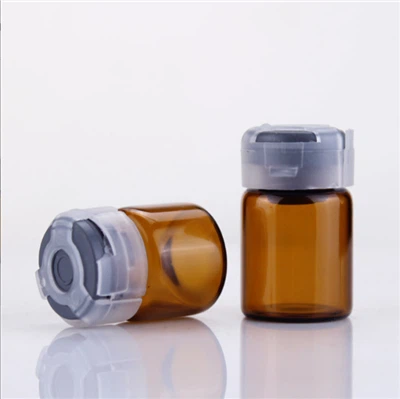
If you’re in the market for infusion bottles, whether you need glass, plastic, small sizes for lab use, or larger ones for medical or industrial use, reach out to us to talk about your needs. We can help you pick the right bottles, and even give you more specific cleaning tips based on what you’re using them for. Don’t settle for dirty bottles that ruin your process—let’s make sure your next batch is as clean as it should be.
Infusion Bottle References:
- Guide to Cleaning and Decontaminating Laboratory Glassware and Plasticware. Centers for Disease Control and Prevention (CDC)
- Reprocessing of Infusion Containers for Reuse. Association for the Advancement of Medical Instrumentation (AAMI)
- Proper Cleaning Methods for Plastic Laboratory Ware. American Chemical Society (ACS)
Aohui Packaging Products Co., Ltd.
We’re well-known as one of the leading infusion bottle manufacturers in China, also support custom service. Please feel free to wholesale customized infusion bottle at competitive price from our factory. Welcome to view our website for more information.
Address: Baisheng Building, Zhongshan Road, Shinan District, Qingdao
E-mail: aohuipack@qq.com
WebSite: https://www.ahglassbottle.com/
