In the world of cat care, mixed cat litter has emerged as a popular choice among cat owners for its various advantages. As a supplier of mixed cat litter, I often receive questions from customers regarding the optimal way to use and maintain this product. One frequently asked question is whether mixed cat litter needs to be stirred regularly. In this blog post, I will delve into the science behind mixed cat litter and provide insights on whether regular stirring is necessary. Mixed Cat Litter
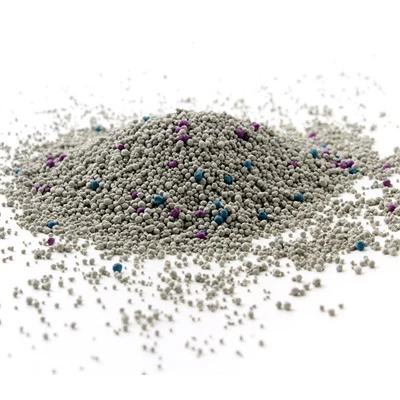
Understanding Mixed Cat Litter
Mixed cat litter typically combines different types of litter materials, such as bentonite clay, silica gel, wood chips, and plant-based materials. Each component brings its unique set of properties to the table, resulting in a litter that offers multiple benefits. For example, bentonite clay is known for its excellent clumping ability, which makes it easy to scoop out urine and feces. Silica gel, on the other hand, is highly absorbent and can help control odors by trapping moisture. Wood chips and plant-based materials can add a natural and eco-friendly touch to the litter, while also providing some degree of odor control.
The combination of these materials in mixed cat litter is designed to create a more efficient and effective litter solution. By leveraging the strengths of each component, mixed cat litter can provide better odor control, faster clumping, and improved moisture absorption compared to single-component litters. However, these benefits can only be fully realized if the litter is used and maintained correctly.
The Case for Regular Stirring
One argument in favor of regular stirring is that it helps to redistribute the different components of the mixed cat litter. Over time, heavier materials like bentonite clay may settle to the bottom of the litter box, while lighter materials like wood chips or silica gel may rise to the top. This separation can reduce the overall effectiveness of the litter, as the clumping and odor control properties may become less evenly distributed. Stirring the litter can help to mix the components back together, ensuring that the litter box maintains a consistent level of performance.
Stirring can also help to aerate the litter. Just like soil in a garden, cat litter benefits from air circulation. Aeration helps to prevent the build-up of ammonia and other odorous gases, which can occur when the litter becomes compacted. By stirring the litter, you create pockets of air within the litter bed, allowing fresh air to circulate and reducing the likelihood of unpleasant odors.
Another advantage of regular stirring is that it can expose fresh litter surfaces. When a cat uses the litter box, it buries its waste in the litter. Over time, the top layer of litter can become soiled and saturated with urine. By stirring the litter, you bring fresh, absorbent litter to the surface, which can better handle the next round of waste. This can help to extend the lifespan of the litter and reduce the frequency of complete litter box changes.
The Counters to Regular Stirring
However, not all cat owners need to stir their mixed cat litter regularly. Some modern mixed cat litters are designed to be self – leveling and self – mixing. These litters have been engineered to maintain a more even distribution of components over time, reducing the need for manual stirring. Additionally, the natural movement of the cat in the litter box can also help to mix the litter to some extent.
Frequent stirring can also have some drawbacks. For one, it can be a messy and time – consuming task. If not done carefully, stirring can cause litter to spill out of the box, creating a mess around the litter area. Moreover, excessive stirring can break up the clumps that have formed, making it more difficult to scoop out the waste. Broken clumps can also leave behind small pieces of soiled litter, which can lead to odor issues and potentially spread bacteria.
Factors to Consider
Whether or not to stir your mixed cat litter regularly depends on several factors. The type of mixed cat litter you are using is perhaps the most important factor. Some litters, especially those with a high proportion of components that are prone to separation, may benefit more from regular stirring. Check the product instructions provided by the manufacturer; many will give guidance on whether stirring is recommended.
The number of cats using the litter box also plays a role. If you have multiple cats, the litter box will be used more frequently, and waste will accumulate more quickly. In this case, stirring the litter may be more beneficial to help maintain its effectiveness. On the other hand, if you have only one cat, the natural movement of the cat in the box may be sufficient to keep the litter relatively well – mixed.
The size of the litter box is another consideration. A larger litter box may require more stirring to ensure that all areas of the litter are mixed evenly. In a small litter box, the cat’s movement may have a greater impact on mixing the litter.
My Recommendations as a Supplier
Based on my experience as a mixed cat litter supplier, I recommend that cat owners start by following the manufacturer’s instructions. These guidelines are developed based on the specific formulation of the litter and can provide the best starting point for proper litter maintenance.
If the manufacturer does not specify whether to stir the litter, a good rule of thumb is to observe the performance of the litter over time. If you notice a decline in odor control, slower clumping, or a visible separation of the litter components, it may be a sign that stirring could be beneficial. Start by stirring the litter once a week and see if it makes a difference. If you notice an improvement, you can continue to stir the litter on a regular basis. However, if you find that stirring causes more problems than it solves, such as breaking up clumps or creating a mess, you may want to stop.
Conclusion

In conclusion, the question of whether mixed cat litter needs to be stirred regularly does not have a one – size – fits – all answer. While there are valid reasons to stir the litter, such as redistributing components, aerating the litter, and exposing fresh surfaces, it may not be necessary for all types of mixed cat litter. By considering factors such as the type of litter, the number of cats, and the size of the litter box, cat owners can make an informed decision about whether regular stirring is right for them.
Cassava Cat Litter As a supplier of high – quality mixed cat litter, I am committed to providing the best possible products and advice to our customers. If you have any further questions about our mixed cat litter or need more guidance on its use and maintenance, please do not hesitate to reach out to us. We would be more than happy to discuss your specific needs and help you find the perfect solution for your feline friends. Whether you are a small – scale cat owner or a large – scale pet store looking to purchase in bulk, we are here to assist you in your procurement process. Contact us today to start a conversation about how our mixed cat litter can meet your requirements.
References
- Various product research and development reports from the cat litter industry.
- Studies on feline behavior and litter box usage patterns.
- Industry best – practices guides for cat litter maintenance.
Qingdao Ray Pet Products Co., Ltd.
As one of the most professional mixed cat litter manufacturers in China, we have world-leading production equipment and strong manufacturing capabilities. Please feel free to buy bulk high quality mixed cat litter made in China here from our factory. Good service and low price are available.
Address: B401 Zhongtie Qingdao Plaza No.385, Dunhua Road, Qingdao, Shandong Province, China
E-mail: Karen.liu@ray-pet.com
WebSite: https://www.ray-pet.com/
