As a DTF printer supplier deeply entrenched in the industry, I often encounter inquiries from customers about the power requirements for DTF printers. Understanding these requirements is crucial as it not only ensures the proper functioning of the printer but also affects operational costs and safety. In this blog post, I will delve into the details of what power needs a DTF printer has, covering aspects from basic electrical specifications to practical tips on power management. DTF Printer
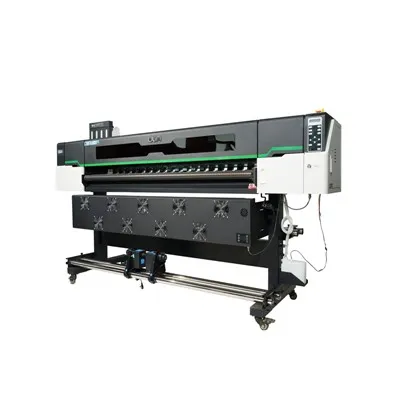
Basic Electrical Specifications of DTF Printers
DTF printers, like any other equipment relying on electricity, have specific electrical parameters that need to be met for optimal performance. The most fundamental specifications we usually look at are voltage, current, and power consumption.
Voltage: Most commercial DTF printers operate on a standard voltage range. In many regions, a common voltage for these printers is 220 – 240V, which is the standard household or industrial voltage in countries like the United Kingdom, Europe, and many parts of Asia. However, there are also models designed for the 110 – 120V systems, which are prevalent in the United States and some other countries. It is essential for customers to choose a printer that matches the local voltage supply. Using a printer with an incorrect voltage can lead to malfunctions, overheating, or even permanent damage to the printer.
Current: The current rating of a DTF printer indicates the amount of electrical charge flowing through the device per unit of time. This value is usually measured in amperes (A). A higher current rating implies that the printer requires more electricity to operate. The current draw of a DTF printer can vary significantly depending on its size, features, and functions. For example, a large – format DTF printer with advanced printing capabilities may have a higher current rating compared to a smaller, more basic model.
Power Consumption: Power consumption is perhaps the most critical specification for customers to consider as it directly impacts the running costs. Power consumption is measured in watts (W) and represents the rate at which the printer uses electrical energy. On average, a typical DTF printer may consume anywhere from 500W to 1500W during normal operation. However, this value can fluctuate depending on factors such as the printing mode (e.g., high – speed vs. high – quality), the type of media being printed, and whether additional features like drying or curing are in use.
Factors Affecting Power Requirements
Several factors can influence the power requirements of a DTF printer. Understanding these factors can help customers make more informed decisions when choosing a printer and managing their power usage.
Printer Size and Format: Larger DTF printers generally require more power to operate. This is because they have larger print heads, more powerful motors to move the print carriage, and larger heating elements for drying and curing the ink. For example, a wide – format DTF printer capable of printing on media sizes up to 60 inches may consume significantly more power than a desktop – sized printer with a print width of only 11 inches.
Printing Speed and Quality: The printing speed and quality settings also have a significant impact on power consumption. High – speed printing modes typically require more power as the printer needs to move the print head more quickly and apply ink at a faster rate. On the other hand, high – quality printing may also increase power consumption, as the printer may use more ink and take longer to complete a print job, resulting in the heating elements and other components running for an extended period.
Drying and Curing Systems: DTF printers often come equipped with drying and curing systems to ensure that the ink adheres properly to the media. These systems, which can include heaters or UV lamps, consume a considerable amount of power. The type and efficiency of the drying and curing system can vary between printer models, so it is important to consider this factor when evaluating power requirements.
Power Supply Considerations
When setting up a DTF printer, choosing the right power supply is essential. Here are some key points to keep in mind:
Stable Power Source: A stable power supply is crucial for the proper functioning of a DTF printer. Fluctuations in voltage or power outages can cause print errors, damage the printer’s components, or even lead to data loss. It is recommended to use a voltage stabilizer or an uninterruptible power supply (UPS) to protect the printer from power surges and outages.
Electrical Outlet Compatibility: Ensure that the printer’s power cord is compatible with the local electrical outlets. In addition to voltage and plug type, consider the amperage rating of the outlet. A printer with a high – current rating may require a dedicated circuit to avoid overloading the electrical system.
Energy – Efficiency: To reduce operational costs and environmental impact, look for DTF printers that are energy – efficient. Many modern printers are designed with features such as power – saving modes, which automatically reduce power consumption when the printer is idle. Some printers also use advanced heating and drying technologies that consume less energy while maintaining high – quality printing results.
Practical Tips on Power Management
Proper power management can not only save costs but also prolong the lifespan of the DTF printer. Here are some practical tips:
Regular Maintenance: Keeping the printer clean and well – maintained can improve its energy efficiency. Dust and debris can accumulate on the printer’s components, such as the print head and heating elements, which can increase power consumption. Regularly clean the printer according to the manufacturer’s instructions.
Optimize Printing Settings: Select the appropriate printing speed and quality settings based on your specific requirements. Avoid using high – speed or high – quality modes when they are not necessary, as this can significantly increase power consumption.
Turn Off When Not in Use: When the printer is not in use, turn it off completely rather than leaving it in standby mode. Many printers still consume a small amount of power when in standby, which can add up over time.
Conclusion
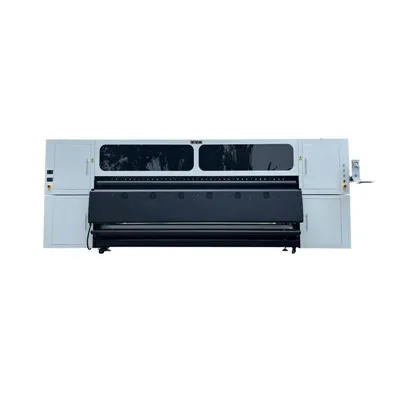
In conclusion, understanding the power requirements of a DTF printer is essential for both proper operation and cost – effective use. When choosing a DTF printer, consider factors such as voltage, current, power consumption, printer size, printing speed and quality, and the presence of drying and curing systems. Ensure that the printer is connected to a stable power supply and take advantage of power – management techniques to reduce energy consumption.
UV Roll To Roll Printer If you are interested in purchasing a DTF printer and have further questions about power requirements or other aspects of our products, I encourage you to reach out to our sales team for a detailed discussion. We can help you select the right printer that meets your specific needs and power availability. With our expertise as a DTF printer supplier, we are committed to providing you with high – quality products and professional support.
References
- Manufacturer’s specifications of various DTF printers
- Industry reports on printing equipment power consumption
- Technical literature on electrical engineering for industrial equipment
Hangzhou Yulan Technology Co., Ltd.
Hangzhou Yulan Technology Co., Ltd. is one of the most professional DTF printer manufacturers and suppliers in China. With abundant experience, we warmly welcome you to wholesale the newest DTF printer in stock here from our factory. Good service and quality products are available.
Address: Building, No.128 Rihui Road, Linping District, Hangzhou, China.
E-mail: ulinprint@gmail.com
WebSite: https://www.ulinprinter.com/
