When it comes to industrial applications where protection against acids is crucial, acid resistant rubber sheets are indispensable. As a trusted supplier of acid resistant rubber sheets, I’ve had the privilege of working with a wide range of clients across various sectors. In this blog, I’ll delve into the different types of acid resistant rubber sheets, their properties, applications, and how to choose the right one for your specific needs. Acid Resistant Rubber Sheet
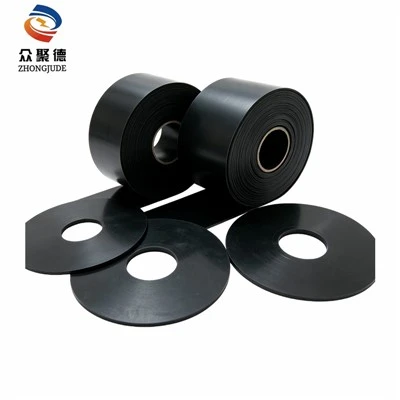
Natural Rubber (NR)
Natural rubber is one of the most well – known types of rubber. It is derived from the latex of rubber trees. While natural rubber has good elasticity, tear resistance, and low cost, its acid resistance is somewhat limited. It can withstand weak acids to a certain extent, but strong acids will cause significant degradation.
Natural rubber acid resistant sheets can be used in applications where the acid concentration is relatively low and the temperature is not too high. For example, in some small – scale chemical handling operations where dilute acetic acid or citric acid is involved, natural rubber sheets can provide a cost – effective solution. However, it’s important to note that exposure to strong oxidizing acids like nitric acid or sulfuric acid will quickly damage the rubber, causing it to swell, lose its mechanical properties, and eventually fail.
Neoprene (CR)
Neoprene, also known as polychloroprene, is a synthetic rubber with a wide range of applications. It offers good resistance to a variety of acids, including some weak to moderately strong acids. Neoprene has excellent weather resistance, ozone resistance, and flame retardancy in addition to its acid resistance.
In industrial settings, neoprene acid resistant sheets are commonly used in applications where there is a risk of exposure to acids and environmental factors. For instance, in outdoor chemical storage facilities where rain and sunlight are present, neoprene sheets can protect equipment and structures from acid spills. They are also used in the automotive industry, especially in engine compartments where there may be exposure to battery acids. Neoprene can withstand temperatures ranging from – 20°C to 100°C, making it suitable for a wide range of operating conditions.
Nitrile Rubber (NBR)
Nitrile rubber is a synthetic rubber copolymerized from acrylonitrile and butadiene. One of its key advantages is its excellent resistance to oils and fuels, but it also offers good acid resistance, especially to aliphatic acids.
Nitrile acid resistant sheets are widely used in the oil and gas industry. In oil refineries, they can be used as gaskets and seals in pipelines and equipment that come into contact with acidic by – products during the refining process. Nitrile rubber can handle a variety of acids such as hydrochloric acid within a certain concentration range. It has good mechanical properties, including high tensile strength and abrasion resistance. However, it may not be suitable for applications involving strong oxidizing acids or aromatic acids, as these can cause swelling and degradation of the rubber.
EPDM (Ethylene Propylene Diene Monomer)
EPDM is a synthetic rubber known for its outstanding resistance to weather, ozone, and a wide range of chemicals, including many acids. It has excellent heat resistance, with the ability to operate at temperatures up to 150°C continuously.
EPDM acid resistant sheets are commonly used in the chemical and water treatment industries. In chemical plants, they can be used as linings for tanks and pipes that store or transport acidic solutions. In water treatment facilities, EPDM sheets are used to seal joints and prevent acid leakage during the water treatment process. EPDM can withstand a wide range of acids, including sulfuric acid, hydrochloric acid, and phosphoric acid, especially at low to moderate concentrations. It also has good electrical insulation properties, which makes it suitable for applications in electrical enclosures where acid protection is required.
Fluoroelastomers (FKM)
Fluoroelastomers, such as Viton, are high – performance synthetic rubbers with exceptional chemical resistance, including resistance to a wide range of strong acids. They have excellent heat resistance, with some fluoroelastomers able to withstand temperatures up to 300°C.
Fluoroelastomer acid resistant sheets are used in the most demanding chemical environments. For example, in the pharmaceutical and petrochemical industries, where highly corrosive acids are used, fluoroelastomers provide reliable protection. They can withstand concentrated sulfuric acid, nitric acid, and other strong oxidizing acids. However, fluoroelastomers are relatively expensive compared to other types of rubber, and their processing can be more challenging.
Choosing the Right Acid Resistant Rubber Sheet
Selecting the appropriate acid resistant rubber sheet depends on several factors. Firstly, you need to consider the type of acid involved. Different acids have different chemical properties, and some rubbers are more resistant to certain acids than others. For example, if you are dealing with strong oxidizing acids, fluoroelastomers are likely the best choice, while for weak organic acids, natural rubber or neoprene may be sufficient.
Secondly, temperature is a crucial factor. High temperatures can accelerate the degradation of rubber, so you need to choose a rubber sheet that can withstand the operating temperature of your application. If the application involves high – temperature and high – acid – concentration conditions, materials like fluoroelastomers or certain grades of EPDM are more suitable.
The mechanical requirements of the application also matter. If the rubber sheet will be subjected to high stress, such as in a high – pressure pipeline seal, you need a rubber with good tensile strength and tear resistance, like nitrile rubber or EPDM.
Finally, cost is always a consideration. While high – performance rubbers like fluoroelastomers offer excellent acid resistance, they are more expensive. For less critical applications where cost is a major concern, natural rubber or neoprene may be a more economical option.
Why Choose Our Acid Resistant Rubber Sheets
As a professional acid resistant rubber sheet supplier, we take pride in offering a wide range of high – quality products. Our team of experts has in – depth knowledge of the properties and applications of different types of rubber. We can provide customized solutions based on your specific requirements.
We ensure strict quality control throughout the manufacturing process. Our rubber sheets are tested rigorously to meet international standards. Whether you need a small quantity for a prototype or a large – scale supply for an industrial project, we can handle it efficiently.

We also offer excellent after – sales service. Our technical support team is always available to answer any questions you may have about the installation, use, or maintenance of our acid resistant rubber sheets.
Pedestrian Bridge Rubber Pad If you are in need of acid resistant rubber sheets for your application, don’t hesitate to contact us. Our sales team is ready to discuss your requirements in detail, provide you with product samples, and offer competitive quotes. We look forward to working with you to find the perfect acid resistant solution for your business.
References
- Morton, M. (1987). Rubber Technology. Van Nostrand Reinhold, New York.
- Brown, W. R. (2005). Engineering Guide to Rubber Technology: Formulations, Processing and Applications. Rapra Technology, Shawbury.
- Kempermann, H. – D., & Luginsland, J. W. (2004). Handbook of Elastomers. Marcel Dekker, New York.
Hebei Zhongjude Power Technology Co., Ltd.
With abundant experience, we are one of the most reliable acid resistant rubber sheet manufacturers and suppliers in China. Welcome to buy bulk high quality acid resistant rubber sheet for sale here and get quotation from our factory. For price consultation, contact us.
Address: Shenghe Plaza, No. 88 Qilian Street, High-tech Zone, Shijiazhuang City, Hebei Province, China
E-mail: zhongjude@outlook.com
WebSite: https://www.zjdinsul.com/
