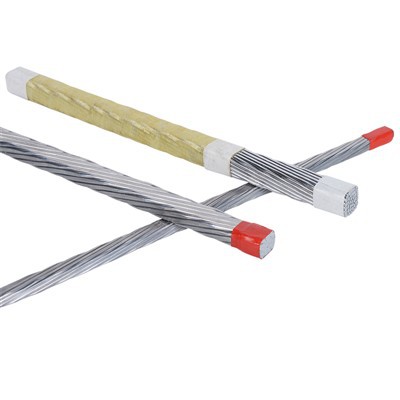
Continuously Transposed Conductors (CTCs) play a pivotal role in the electrical industry, particularly in power transformers and high – current applications. As a supplier deeply involved in the production and distribution of CTCs, I often encounter inquiries about the different types of these conductors. In this blog, I will explore the various types of continuously transposed conductors, their unique characteristics, and applications. Continuously Transposed Conductors
Understanding Continuously Transposed Conductors
Before delving into the types, it’s essential to understand what CTCs are. Continuously Transposed Conductors are made by transposing a number of insulated flat copper or aluminum wires in a continuous and regular pattern. This transposition helps to reduce the circulating current loss and improve the current – carrying capacity of the conductor. The basic principle behind CTCs is to ensure that each individual wire in the conductor experiences the same magnetic field environment, thus minimizing the eddy – current losses that can occur in large – cross – section conductors.
Types of Continuously Transposed Conductors
1. Copper Continuously Transposed Conductors
Copper is one of the most widely used materials for CTCs due to its excellent electrical conductivity, high thermal conductivity, and good mechanical properties.
- High – Purity Copper CTCs: These conductors are made from high – purity copper with a copper content of over 99.9%. The high purity ensures low electrical resistance, which is crucial for applications where energy efficiency is a priority. High – purity copper CTCs are commonly used in large – scale power transformers, where even a small reduction in resistance can lead to significant energy savings over time.
- Oxygen – Free Copper CTCs: Oxygen – free copper (OFC) is a type of high – purity copper with extremely low oxygen content. This feature makes OFC CTCs more resistant to corrosion and oxidation, which is especially important in harsh environments. OFC CTCs are often used in high – end electrical equipment, such as precision instruments and high – performance transformers, where reliability and long – term stability are required.
2. Aluminum Continuously Transposed Conductors
Aluminum is another popular material for CTCs, mainly because of its lower cost and lighter weight compared to copper.
- Alloyed Aluminum CTCs: To improve the mechanical properties of aluminum CTCs, alloying elements are often added. These alloyed aluminum CTCs have better strength and ductility than pure aluminum conductors. They are suitable for applications where weight is a critical factor, such as in mobile power transformers or aerospace electrical systems.
- Coated Aluminum CTCs: To enhance the corrosion resistance of aluminum CTCs, a protective coating can be applied. The coating can be made of materials such as zinc or a special polymer. Coated aluminum CTCs are commonly used in outdoor applications, where they are exposed to moisture and other environmental factors.
3. Different Insulation Types
The insulation of CTCs is also an important aspect that can define different types of conductors.
- Paper – Insulated CTCs: Paper insulation has been used for a long time in the electrical industry. It is a cost – effective and reliable insulation material. Paper – insulated CTCs are widely used in traditional power transformers. The paper insulation provides good electrical insulation properties and can withstand high temperatures within a certain range.
- Polymer – Insulated CTCs: Polymer insulation, such as polyester or polyimide, offers better electrical and mechanical properties compared to paper insulation. Polymer – insulated CTCs are more resistant to moisture and chemical attack. They are often used in high – performance transformers and other electrical equipment that require high – reliability insulation, such as in the wind power generation and electric vehicle charging systems.
Applications of Different Types of CTCs
Power Transformers
In power transformers, different types of CTCs are used based on the specific requirements of the transformer. High – purity copper CTCs are often used in large – capacity power transformers in power plants, where high efficiency and low loss are crucial. Aluminum CTCs, on the other hand, may be used in distribution transformers, especially in areas where cost – effectiveness and weight reduction are important considerations.
High – Current Applications
For high – current applications such as electric furnaces and electrolysis plants, CTCs with high current – carrying capacity are required. Copper CTCs, especially those with large cross – sections, are commonly used in these applications due to their excellent electrical conductivity.
Renewable Energy Systems
In renewable energy systems, such as wind turbines and solar power plants, CTCs are used in power conversion and transmission equipment. Polymer – insulated CTCs are preferred in these applications because of their high – reliability insulation and resistance to environmental factors.
Quality Control and Assurance
As a CTC supplier, quality control and assurance are of utmost importance. We have a strict quality control system in place to ensure that each type of CTC meets the highest standards. Our production process starts with the selection of high – quality raw materials. For copper CTCs, we source high – purity copper from reliable suppliers. For aluminum CTCs, we carefully choose the alloying elements to ensure the desired mechanical properties.
During the manufacturing process, we use advanced equipment and technology to ensure the accurate transposition of the wires. We also conduct various tests on the finished products, including electrical conductivity tests, insulation resistance tests, and mechanical strength tests. Only when the products pass all the tests can they be released to the market.
Customization Services
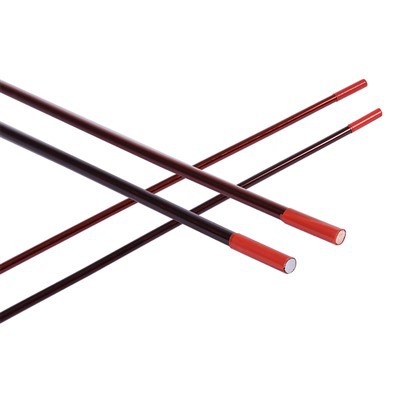
We understand that different customers have different requirements for CTCs. That’s why we offer customization services. Whether you need a specific type of material (copper or aluminum), a particular insulation type (paper or polymer), or a unique cross – section and transposition pattern, we can work with you to develop the most suitable CTCs for your application. Our experienced R & D team can provide technical support and guidance throughout the customization process to ensure that the final product meets your exact specifications.
Why Choose Our Continuously Transposed Conductors
- High – Quality Materials: We use only the best raw materials, ensuring the high performance and reliability of our CTCs.
- Advanced Manufacturing Technology: Our state – of – the – art manufacturing facilities and processes allow us to produce CTCs with high precision and consistency.
- Customization Capability: We can tailor our products to meet your specific needs, providing you with a customized solution.
- Excellent After – Sales Service: Our dedicated customer service team is always ready to assist you with any questions or issues you may have after purchasing our products.
Enameled Flat Wire If you are in need of Continuously Transposed Conductors for your electrical projects, we invite you to contact us for a detailed discussion. We are confident that our high – quality products and professional services will meet your expectations. Let’s work together to find the best CTC solution for your application.
References
- Grover, F. W. (1946). Inductance Calculations: Working Formulas and Tables. Dover Publications.
- Westinghouse Electric Corporation. (1950). Electrical Transmission and Distribution Reference Book. Westinghouse Electric Corporation.
- IEEE Standards Association. (2017). IEEE Guide for Liquid – Immersed Distribution, Power, and Regulating Transformers. IEEE.
Tianjin Jingwei Power Technology Co., Ltd.
As one of the most professional continuously transposed conductors manufacturers and suppliers in China, we’re featured by quality products and good service. Please rest assured to buy durable continuously transposed conductors made in China here from our factory. Contact us for more details.
Address: No.1 Chuangxin Rd. Xiaozhan Industrial Park, Jinnan District, Tianjin, China
E-mail: info@jwdc.cn
WebSite: https://www.jw-dcs.com/
