Hey everyone, Bulk Bag
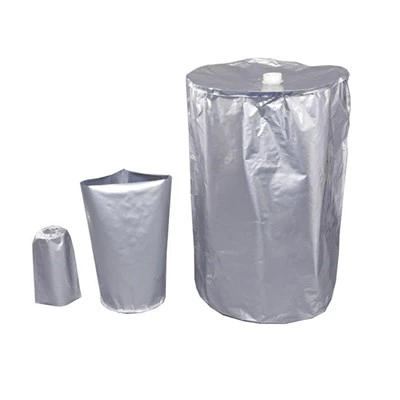
If you’re reading this, chances are you’re in the market for bulk bags—whether you’re new to ordering them or you’ve been burned by bad suppliers in the past. Let me start by saying I’ve been in the bulk bag game for over a decade, and I’ve seen it all: suppliers who promise custom sizes and hit you with hidden fees, others who send bags that tear on the first fill, and some that just disappear when you need a replacement order fast. Choosing a bulk bag supplier isn’t as simple as picking the first one that pops up on Google, and that’s exactly what I want to break down today. No jargon, no fancy corporate fluff—just real talk from someone who’s both a supplier and knows what you’re going through.
First, let’s get one thing straight: bulk bags (also called FIBCs, flexible intermediate bulk containers, for the acronym folks) aren’t one-size-fits-all. The right supplier for your neighbor’s grain operation might be the worst fit for your industrial chemical business. So how do you narrow it down without wasting time or money? Let’s start with the basics that most people skip over—because that’s where the hidden pitfalls are.
1. Don’t just look at price; look at “total cost of ownership”
I know, I know—everyone wants the cheapest price. But here’s the truth: a bulk bag that costs $0.50 less might sound like a steal… until 10% of your shipment tears during transport, leaving you with $10,000 worth of product ruined and a delay that messes up your customer’s schedule. Total cost of ownership includes way more than the per-bag price. Ask yourself: do they charge extra for liners, or do those come standard? Are there fees for custom printing (like your company logo or product safety warnings)? What about shipping—do they offer bulk discounts for large orders, or do they mark up delivery so much the savings vanish?
Last year, a customer came to me after working with a cheap supplier. They’d ordered 5,000 bags for construction aggregate, but 15% broke on the job site. The supplier’s “low price” looked good on paper, but the customer ended up paying for replacement bags, lost product, and overtime for their crew to fix the mess. At my company, we build durability into every bag—for aggregate, we use 6oz polypropylene with reinforced loops that can hold up to 1 ton, so you don’t have to worry about mid-shipment tears. That might mean our per-bag price is a bit higher, but it saves you way more in the long run.
2. Check their certifications (and don’t just take their word for it)
This is non-negotiable if you’re dealing with food, pharmaceuticals, or hazardous materials. A lot of suppliers will toss around terms like “FDA-approved” or “UN-certified” without actually being able to prove it. Here’s how to vet that: ask for a copy of their certification documents. Legitimate suppliers keep these on file because they get asked for them all the time.
For example, if you’re packaging organic grains, you need bags that are food-grade and free of any harmful additives. If you’re handling chemicals that are flammable, you need UN-certified bags that can meet specific safety standards for transport. I see too many businesses skip this step, only to have their product rejected at the port or lose their organic certification because the bags they used weren’t compliant. At our place, every single bag we sell has the proper certifications on hand—we’ve been audited multiple times, and we never cut corners when it comes to compliance.
3. Order a sample before you commit to a big order
I can’t stress this enough. I’ve had customers who placed a 10,000-bag order without even seeing a sample, and when they arrived, the fabric was thinner than they expected, or the fill openings were too small for their loading equipment. A sample only costs a few bucks, and it gives you a chance to test the bag for your specific use case.
Test it out: fill it with your product (if possible) or a similar material, see how easy it is to lift with your forklift, check if the loops are strong enough, and make sure the print (if you’re customizing it) is clear and doesn’t rub off. We send samples to all potential customers for free—no strings attached, no pressure to order. Why? Because we’re confident in our bags, and we want you to know exactly what you’re getting before you spend a dime on a large order. I’ve had suppliers who charge $50 for a sample, and that’s just a lazy way to avoid customers who might walk away after seeing their product.
4. Ask about their production and lead times (and be honest about your timeline)
Nothing’s worse than needing 20,000 bags by Friday and your supplier telling you they can’t do it for 6 weeks. A lot of small suppliers have limited production capacity, so even if they say they can handle your order, they might push it back for a bigger client. When you’re talking to a supplier, be upfront about your timeline: “I need 5,000 bags for a project that starts in 3 weeks—can you make that happen?”
Also, ask where they manufacture their bags. A lot of bulk bags are made overseas, which can mean longer lead times and more delays if there’s a shipping issue. Domestic suppliers (like us) might have shorter lead times, and you can even visit their production facility if you want to see how the bags are made. That’s a big plus if you’re in a pinch. We keep a stock of standard sizes on hand, so we can ship orders in 3-5 business days—no waiting 2 months for a container to clear customs.
5. Look at their customer service (because problems happen)
Let’s be real: even the best bulk bags can have a defect, or you might need to change your order last minute. How a supplier handles these situations tells you everything about them. Do they answer their phone when you call, or do you get stuck in an email loop? Do they offer refunds or replacements for defective bags, or do they blame “user error”?
I’ve had customers who ordered the wrong size by accident, and instead of making them reorder from scratch, we adjusted the order to fit what they actually needed, with no extra fees. On the flip side, I heard about a supplier who refused to replace 200 defective bags, saying the customer “stretched the bags too much” (even though the bags were rated for 1.5 tons, and the customer only filled them with 1 ton). That kind of supplier isn’t worth your time. Good customer service isn’t just nice—it’s how you avoid losing money when things go wrong. We assign a single point of contact to every order, so you never have to repeat your story to 5 different people when you have a question.
6. Know your specs before you reach out to suppliers
If you go into a conversation with a supplier saying “I need bulk bags,” they’re going to give you a generic quote. But if you have your specs ready, you’ll get a more accurate price and a better recommendation. What do you need to know?
- Capacity: How many pounds or tons do you need the bag to hold?
- Fabric weight: Thicker fabric is better for heavy products or sharp materials (like metal scraps).
- Openings: Do you need a top fill, bottom discharge, or both?
- Features: Do you need a liner to keep your product dry, UV protection for outdoor storage, or custom printing?
- Quantity: How many bags do you need, and how often will you reorder?
Having these details ready will help the supplier give you a quote that actually makes sense, instead of wasting both your time with back-and-forth questions. For example, if you’re packaging animal feed, you might need a 1-ton bag with a PE liner and side loops for easy lifting. If you’re storing chemicals, you’ll need a UN-certified bag with a anti-static coating.
My personal tip: Test their flexibility
One of the best ways to see if a supplier is a good fit is to ask for a small customization. Maybe you want your logo printed on the bags, or you need a slightly different size than their standard options. A good supplier will work with you to make it happen—within reason. If they refuse to do even a small customization, that’s a sign they only care about big, simple orders, not long-term partnerships. We regularly adjust sizes or add custom prints for small and large customers alike—because we know that your needs are unique, and a one-size-fits-all approach doesn’t work.
Now, let’s talk about what to avoid. Watch out for suppliers who:
- Pressure you to order right away (“this deal ends today!”)
- Can’t provide certifications or hide where their bags are made
- Charge hidden fees that only show up on the invoice
- Have bad reviews about late deliveries or unresponsive customer service
- Don’t offer samples (or charge an arm and a leg for them)
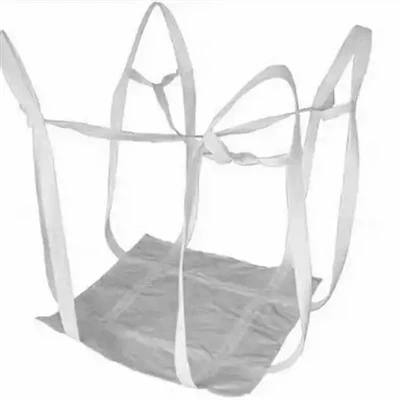
At the end of the day, choosing a bulk bag supplier is about more than just getting a bag to hold your product. It’s about finding a partner who understands your business, can deliver when you need it, and stands behind their product. If you’re tired of working with suppliers who drop the ball, I’d love to chat with you about your needs. We’ve worked with everyone from small farms to large industrial operations, and we can tailor a solution that fits your budget and timeline.
Aluminum Foil Bag If you have questions, want a sample, or need a quote, just reach out. No sales pitches, no pressure—just honest answers to whatever you need.
References
- Occupational Safety and Health Administration (OSHA). Guidelines for Flexible Intermediate Bulk Container (FIBC) Safety.
- International Organization for Standardization (ISO). ISO 21898:2019, Flexible intermediate bulk containers (FIBCs) – Safety, performance, and testing requirements.
- United Nations (UN). Recommendations on the Transport of Dangerous Goods – Model Regulations, Chapter 6.5: Specification for Packing Group I, II, and III FIBCs.
- American Society of Agricultural and Biological Engineers (ASABE). Standard EP457.1, Flexible Intermediate Bulk Containers for Agricultural Commodities.
Heze Jinniu Plastics Co., Ltd.
As one of the most professional bulk bag manufacturers in China, we have world-leading production equipment and strong manufacturing capabilities. Please rest assured to wholesale bulk high quality bulk bag for sale here from our factory.
Address: South section of Renmin Road, Heze City, Shandong Province
E-mail: lishaobin2379@163.com
WebSite: https://www.jnbulkbags.com/
