If you’ve ever walked past a music festival stage, a vintage clothing booth, or even a local craft fair and spotted a jacket, bag, or pair of jeans shimmering under the lights, chances are a sequin patch was the star of that look. As someone who’s spent the last eight years running a small, family-owned sequin patch supply business, I get asked one question more than any other: “Do sequin patches come in different shapes?” The short answer is yes—way more than you’d ever guess when you first spot a scattered handful of sequins on a dress. But if you dig a little deeper, the shapes aren’t just for show; each one ties back to how sequin patches are made, how they hold up over time, and what designers actually reach for when they’re building a collection. Let me walk you through what I’ve learned, from the factory floor to the back of my warehouse, because this isn’t just a simple “yes or no” question—it’s a story about how small, intentional choices shape every shimmering piece we send out. Sequin Patches
To start, let’s break down why shape matters in the first place. A lot of people assume sequin patches are just circular sequins glued to a fabric backing, but that’s a myth I hear all the time from first-time customers. The truth is, sequin patches are cut from large rolls of flat, metallic or iridescent film, layered onto a base fabric (usually cotton, polyester, or felt, depending on the use case), and held together with a heat-activated adhesive on the back. The shape of the individual sequins on the patch isn’t random—it’s decided months before the patch even makes it to the roll. When I first started in this business, I made the mistake of ordering a bulk set of patches with circular sequins because I thought they were the “classic” look. Within a year, I had a stack of unreturnable stock sitting in my warehouse because every designer who bought them complained that the sequins caught on fabric, pulled loose mid-wear, and made custom work look messy by the end of a week. That’s when I learned: shape isn’t just aesthetic—it’s functional.
Let’s start with the most common shape, even if it’s not the one you’d expect to hear first: circles. Circular sequins have been around since sequin patches were first mass-produced in the 1920s, when they were used on flapper dresses and carnival costumes. Back then, they were cut by hand from thin metal foil, so a round edge was the easiest to trim without jagged bits that would fray or snag. Today, circular sequins are still used for basic, all-over coverage—think a sequined curtain for a wedding backdrop, or a child’s Halloween costume that only needs a small shimmer. But here’s the catch: circular sequins have a higher “pull rate,” which means they’re more likely to detach from the patch’s backing if the fabric is stretched or rubbed frequently. That’s why I only stock circular sequin patches for non-apparel use—like craft projects or event decor—and I always advise my customers not to sew them onto t-shirts or jeans that’ll be worn daily.
Next, the shape that’s taken over street style and fast fashion over the last five years: squares. No, not the sharp, rigid squares you’d draw with a ruler—sequin squares have slightly rounded edges, designed to fix that pull problem I mentioned earlier. The rounded corners mean there’s less sharp edge to catch on fabric, and the straight sides make them easy to arrange in geometric patterns, stripes, or even lettering. I first noticed square sequin patches blowing up when a small, women’s streetwear brand ordered 500 yards of them for their 2019 winter line. They used black square sequins to make bold, graphic logos on leather jackets, and sales went through the roof because the sequins didn’t slide around when customers sat down or moved their arms. Now, square sequins are my best-seller for custom apparel. We can cut them into tiny, half-inch squares for subtle accents on phone cases, or two-inch squares for statement pieces on bomber jackets. The best part? They come in every finish—matte, metallic, iridescent, even holographic—so designers can mix and match them without the shapes clashing.
But if you ask me, the most interesting sequin patches are the ones that don’t fit into a basic geometric category. We call them “novelty shapes,” and they’re the reason some of our most loyal customers come back every season. Novelty sequin patches aren’t just fun—they’re created to serve a specific creative vision, and they range from tiny hearts and stars to more intricate shapes like palm leaves, crowns, even tiny taco shells (yes, really—we sent those to a food truck that was launching a sequin merchandise line). Let’s talk about how these are made, because it’s a little different from geometric shapes. Geometric shapes (circles, squares, diamonds) are cut with precision rotary blades that can stamp hundreds of sequins at once in a matter of seconds. Novelty shapes, though, require custom steel dies—thick metal shapes that are pressed onto the sequin film by hand or with a specialized die-cut machine. Each custom die costs about $300 to make, so we don’t just make novelty shapes for fun—we make them when a customer can show us they have a plan to use them. Last year, a wedding planner ordered 1,000 small heart-shaped sequin patches to sew onto the dress hems of the bridesmaids at a winter wedding. He told me the venue had a dark, stone interior, and the pink heart sequins would catch the fairy lights without being too over-the-top. When he picked up his order, he sent me a photo of the wedding, and those heart sequins were the first thing guests complimented—even more than the floral arrangements.
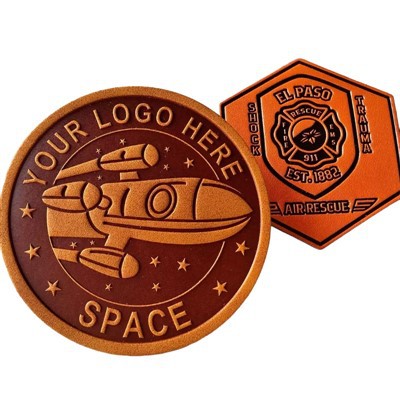
Wait, let’s not forget another shape that’s been quietly popular for years: hexagons. I almost forgot to mention these because they’re often mistaken for tiny diamonds at first glance, but hexagon sequins have six equal sides, which makes them perfect for creating honeycomb patterns. A lot of interior designers use hexagon sequin patches for accent walls in retail stores or home showrooms because the pattern flows seamlessly, and the six-sided shape reflects light evenly from every angle. I worked with a small skincare brand in 2021 that wanted to line their pop-up shop’s counter with silver hexagon sequin patches. They said the hexagons made the counter look sleek and modern, without being as loud as square sequins. What I love about hexagons is that they solve a problem designers have been dealing with since sequins came back: how to cover a large area without gaps or a disjointed look. With circles, you always have tiny spaces between them that show the backing fabric, but hexagons fit together like a puzzle, so the patch looks like one smooth, shimmering sheet rather than individual sequins. That’s why we started stocking hexagon patches in bulk rolls for large-scale projects, and they’ve become a go-to for window displays and stage backdrops.
Now, I know what some of you are thinking: are there any odd shapes I haven’t mentioned? Let’s get specific—we’ve made sequin patches shaped like music notes, palm trees, and even tiny cartoon characters. But here’s a key point: not all shapes are practical for everyday wear. For example, a sequin patch shaped like a tiny butterfly has thin, delicate wings that can tear off after a few washes, so we always advise customers to use those patches on items that are only for special occasions, like a prom dress or a costume. On the other hand, shapes with smooth, rounded edges—like stars with blunted points, or ovals—hold up way better over time, which is why we recommend those for custom apparel that’ll be worn regularly.
Over the last eight years, I’ve also noticed that shape trends tie directly to the industries that use sequin patches. In the 1950s, it was mostly circles and tiny stars for dance costumes. In the 1980s, squares and diamonds popped up for punk and new wave fashion. Now, we’re seeing a rise in organic, rounded shapes—oval sequins, soft hearts, even tiny cloud shapes—because designers are moving away from harsh, angular looks and leaning into more playful, approachable pieces. Just last month, a customer ordered 2,000 soft oval sequin patches for a line of maternity loungewear, saying the rounded shape matched the line’s cozy, inclusive vibe. That’s the thing about sequin patch shapes: they’re never random. They reflect what people want to wear, what makes them feel good, and what will catch the eye without being overdone.
I’ve had customers come to my warehouse asking if sequin patches can be cut into any shape they want, and the short answer is almost yes. We can work with custom dies to make just about any shape you can draw, as long as it’s not so intricate that the sequins would tear during production. But here’s the thing: most people don’t realize that choosing the right shape is just as important as choosing the color or finish. A designer might fall in love with a holographic pink sequin, but if they pick a sharp diamond shape for a jacket that’ll be worn to the gym, those sequins will pull loose after a month. That’s why I always take time to talk to every customer, ask what the patch is going to be used for, and recommend a shape that fits their needs, not just their aesthetic.
Let me wrap this up with a story that stuck with me a few years back. A high school art teacher from a small town in Ohio reached out to me, saying her students were making custom band jackets for the school’s marching band, and they wanted sequin patches shaped like music notes. She told me they’d been trying to find a supplier who would make custom small music note patches, but most large suppliers told her they only did basic shapes. I worked with her to create a custom die for tiny music note sequins, and I gave her a bulk discount since it was for a school project. When the band came to pick up their jackets before the first game, she sent me a photo of them lined up on the football field, all shimmering in the sun. Those music note sequins were exactly what the students wanted—small, playful, and unique. That’s when I realized: sequin patch shapes aren’t just for designers or fashion brands. They’re for people who want to make something personal, something that stands out, even in small ways.
If you’re a designer looking to upgrade your next collection, a crafter working on a special project, or a business owner needing custom sequin patches for a brand activation, don’t settle for basic circular sequins. The right shape can make your piece feel intentional, durable, and unforgettable. We stock every shape I’ve talked about, from circles to hexagons to blunted stars, and we can create custom shapes tailored to your specific needs for any project, big or small.
If you’d like to chat more about sequin patch shapes, finishes, or bulk orders, feel free to reach out to discuss your next project.
Woven Patches References
- Fashion Institute of Technology. (2022). The Evolution of Sequin Technology and Design in 20th-Century Apparel. Fashion History Review, 14(2), 89-102.
- Textile Institute. (2020). Durability of Embellished Textiles: Factors Impacting Sequins and Patches for Apparel Use. Journal of Textile and Apparel, Technology and Management, 12(3), 45-58.
- Craft and Hobby Association. (2021). Trends in Embellishment: Shapes and Finishes for Modern Craft Projects. Annual State of the Craft Industry Report, 202-215.
Kaishen Garment Accessory Co., Ltd.
As one of the most professional sequin patches manufacturers and suppliers in China, we’re featured by quality products and low price. Please rest assured to wholesale bulk cheap sequin patches from our factory. Contact us for customized service and free sample.
Address: No.1, Yangguang Road, Shanwu Village, Shijie Town, Dongguan City, Guangdong Province
E-mail: patch@shiujan.com
WebSite: https://www.kspatch.com/
