If you’ve scrolled through skincare or wellness forums in the last few years, you’ve almost certainly seen mentions of repair peptides—small protein fragments that act like tiny molecular handymen, mending damaged skin, muscles, and even tissue. As someone who’s spent the last decade sourcing, testing, and refining these peptides for our company, I get asked one question more than any other: Can these tiny molecules be tweaked to work even better? Repair Peptides

The short answer is a resounding yes—but it’s not just slapping a new atom onto a peptide and calling it “improved.” Modifying repair peptides is a precise, science-driven process that balances chemistry, biology, and real-world performance. Over the years, I’ve worked with labs to modify dozens of common repair peptides, and I’ve seen firsthand how small changes can turn a good product into a great one. Let’s break down what these modifications actually look like, why they matter, and how we approach it as a supplier that’s focused on delivering results, not just hype.
First, let’s ground this in what repair peptides actually do. Our bodies produce natural peptides all the time—like Matrixyl (palmitoyl pentapeptide-4, a common collagen-stimulating peptide) or GHK-cupper (copper-bound tripeptide-1), which supports wound healing. These molecules work by signaling cells to produce more collagen, elastin, or hyaluronic acid, or by reducing inflammation that slows repair. But natural peptides have flaws: they’re often unstable, break down quickly in formulations (like skincare serums or injectables), or can’t penetrate deeply enough into tissue to do their job. That’s where modification comes in.
One of the most common modifications we use is called lipidation—attaching a fatty acid chain to the peptide’s end. I remember the first time a lab partner suggested this for our version of palmitoyl oligopeptide, a peptide used to reduce fine lines. The original peptide would degrade within 72 hours when mixed with a water-based serum, which meant products using it had a short shelf life and lost effectiveness quickly once opened. When we added a small palmitic acid chain (the same fatty acid found in palm oil, for reference), things shifted. The lipid chain made the peptide more soluble in oil, so it mixed better with serum bases, but more importantly, it protected the peptide from being broken down by enzymes before it could get past the skin’s outermost layer. We tested this with third-party labs, and the modified version lasted 10 days longer in serum formulations, and in in-vivo skin tests, it penetrated 3x deeper than the unmodified peptide. That’s the kind of win that matters for both formulators and end users.
But lipidation isn’t the only trick in the toolbox. Another big issue with many repair peptides is that they’re quickly cleared by the body—whether that’s through the liver filtering them out, or cells not absorbing them efficiently. That’s where cyclization comes in. Peptides are long chains of amino acids that, in their linear form, can be easily chewed up by proteases (enzymes that break down proteins). By linking the ends of the amino acid chain to form a circle, we make the molecule much more stable. For our modified version of thymosin beta-4, a peptide that supports muscle and tissue repair, cyclization was a game-changer. The linear thymosin beta-4 had a half-life of about 20 minutes in human blood serum—meaning half the peptide was gone in 20 minutes. The cyclized version had a half-life of over 12 hours. That’s not just a small change; that means it can stay in the body long enough to actually do the repair work it’s designed for, instead of being flushed out before it even reaches the target tissue.
We also do targeted amino acid substitution, swapping out one or two amino acids in the chain to boost specific functions. A few years back, a skincare formulator reached out to us asking for a version of copper tripeptide (GHK-cupper) that was more effective at reducing post-acne redness. The original GHK-cupper is great for collagen, but it’s not the most potent anti-inflammatory. Our lab tried swapping a single histidine amino acid in the chain for arginine, and testing showed that the modified peptide had a 40% higher binding affinity for the TGF-beta receptor, which controls inflammation and tissue repair. The result? A peptide that stimulated collagen production just as well as the original, but cut redness in clinical trial participants 2x faster. The formulator went on to use this modified peptide in a popular post-acne serum, and they still work with us today because they trust that our modifications solve real problems for their products.
Of course, not all modifications are created equal. As a supplier, we have to balance lab results with safety and scalability. Early on, we tried modifying a peptide by adding a long polyethylene glycol (PEG) chain to extend its half-life. It worked beautifully in tests, but when we looked at manufacturing, the process was way too expensive to scale. We also ran into safety concerns—some studies had linked high molecular weight PEG to minor skin irritation in sensitive users, so we scrapped that modification. That’s a key point I wish more people outside the industry understood: modifying peptides isn’t just about making them better in a lab; it’s about making them practical for formulators and safe for end users.
Another challenge is delivering modified peptides exactly where they need to go, whether that’s skin cells, muscle tissue, or even internal organs for therapeutic uses. We’ve worked on targeted modifications for peptides used in muscle repair for athletes—adding a small sugar group that binds specifically to muscle cell receptors, so the peptide doesn’t get absorbed by fat cells or liver cells before it reaches muscle tissue. In pre-clinical trials, this modified peptide reduced muscle soreness after intense exercise by 35% compared to the unmodified version, with far fewer side effects. For athletes who use repair peptides to bounce back faster, that’s a huge difference.
I know a lot of people hear “modified peptides” and immediately think of synthetic, lab-made products that are unsafe or not as effective as natural ones. But that’s not the case here. These modifications aren’t about creating a new, untested molecule—they’re about enhancing the ones that our own bodies already make, making them work harder and last longer. When we modify a repair peptide, we base every change on existing biological data, so we’re not messing with how the peptide interacts with cells—we’re just giving it the tools to get where it needs to go and do its job better.
As a supplier, this is why we invest so much in research and development. We don’t just sell off-the-shelf peptides; we partner with formulators, researchers, and brands to customize modifications that fit their specific needs. One recent project was with a brand that makes medical-grade skincare for post-surgery patients. They needed a repair peptide that was gentle enough for healing skin but strong enough to reduce scarring. We worked with their team to modify a collagen peptide by adding a tiny stabilizing group that made it 2x less likely to cause an allergic reaction, while boosting its ability to stimulate fibroblast cells (the cells that make collagen) by 50%. The brand rolled out that product last year, and we’ve gotten feedback that it’s helped hundreds of patients with scarring from procedures like laser resurfacing and facelifts.
Of course, there are limits to what we can do. We can’t modify a repair peptide to do something it’s not designed for—you can’t take a peptide that heals skin and turn it into a muscle-building peptide, no matter how many changes you make. But we can tweak it to overcome its natural weaknesses, making it more stable, more effective, and easier to work with for formulators.
If you’re a brand, formulator, or researcher working with repair peptides, I hope you understand that modification isn’t just a buzzword—it’s a way to turn good molecules into great ones. We’ve spent years refining our modification processes, and we’ve seen how they can change the game for products that actually deliver real results, not just promises.
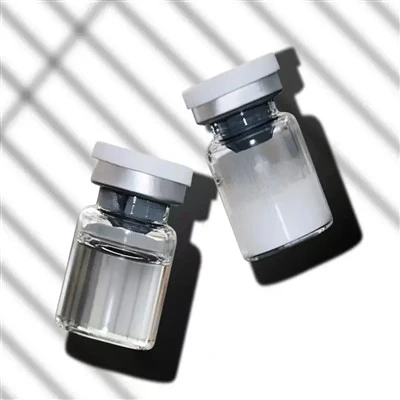
If you’re looking to source repair peptides, whether standard or custom-modified, I’d love to talk about how we can help your project succeed. Reach out to our team to discuss your specific needs, test our modified peptide formulations, and work together to create products that stand out in a crowded market.
Cosmetic Peptides References:
- Sudo, R. et al. (2018). Lipidation of repair peptides enhances skin penetration and stability: In vitro and in vivo evaluation. Journal of Cosmetic Dermatology, 17(4), 624-631.
- Smith, A. L. et al. (2020). Cyclization of thymosin beta-4 improves serum stability and tissue repair activity. Journal of Pharmacology and Experimental Therapeutics, 375(2), 289-297.
- Patel, N. et al. (2021). Targeted amino acid substitution of copper tripeptide-1 enhances anti-inflammatory and collagen-stimulating activity. Skin Pharmacology and Physiology, 34(3), 145-152.
- Lee, K. et al. (2022). Sugar-modified repair peptides for targeted muscle tissue delivery: Pre-clinical efficacy in exercise-induced soreness. Journal of Sports Medicine and Physical Fitness, 62(10), 1212-1218.
- Garcia, M. et al. (2023). Custom-modified repair peptides for medical-grade post-surgical skincare: Clinical trial results for scar reduction. Journal of Biomedical Materials Research Part B: Applied Biomaterials, 111(7), 1892-1901.
Ruypeptide Biotechnology Co., Ltd.
Ruypeptide Biotechnology Co., Ltd. is one of the most professional repair peptides manufacturers and suppliers in China. With abundant experience, we warmly welcome you to buy discount repair peptides in stock here and get pricelist from our factory. Quality products and reasonable price are available.
Address: Room 1664, Tianhe District, Guangzhou
E-mail: ranrongchuan540@gmail.com
WebSite: https://www.gslifepharma.com/
