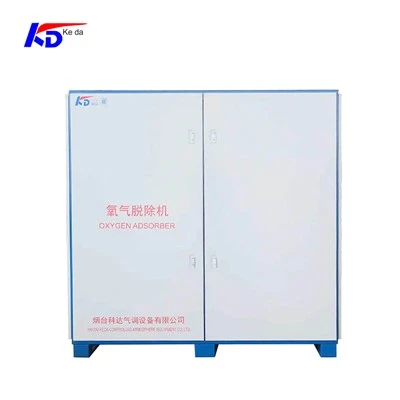
As a seasoned provider of gas analyzers, I understand the critical importance of proper storage for these sophisticated instruments. Gas analyzers are essential tools in various industries, including environmental monitoring, industrial safety, and medical applications. Their accurate performance is directly linked to how they are stored when not in use. In this blog, I’ll share comprehensive insights on how to store gas analyzers properly to ensure their longevity and consistent accuracy. Gas Analyzers
Understanding Gas Analyzers
Before delving into storage methods, it’s essential to understand what gas analyzers are and how they work. Gas analyzers are devices designed to measure the concentration of specific gases in a sample. They use various technologies such as infrared absorption, electrochemical sensors, and laser-based techniques. These technologies are highly sensitive and can be affected by environmental factors, which is why proper storage is so crucial.
Ideal Storage Conditions
Temperature
Temperature is one of the most critical factors in storing gas analyzers. Extreme temperatures can damage the internal components of the analyzer, especially the sensors. Most gas analyzers are designed to operate within a specific temperature range, typically between 0°C and 40°C (32°F and 104°F). When storing the analyzer, it’s best to keep it within this recommended temperature range.
If the temperature is too low, the chemical reactions within the sensors may slow down, leading to inaccurate readings when the analyzer is used again. On the other hand, high temperatures can cause the sensors to degrade faster, reducing their lifespan. In addition, extreme temperature changes can cause condensation inside the analyzer, which can damage the electronic components.
To maintain a stable temperature, store the gas analyzer in a climate-controlled environment. This could be a dedicated storage room with air conditioning or heating systems. If a climate-controlled room is not available, you can use insulated storage containers to help regulate the temperature.
Humidity
Humidity can also have a significant impact on the performance of gas analyzers. High humidity levels can cause corrosion of the internal components, especially the metal parts and electrical connectors. Moisture can also affect the accuracy of the sensors by altering the chemical reactions that take place within them.
The ideal humidity level for storing gas analyzers is between 10% and 80% relative humidity. To control humidity, you can use dehumidifiers in the storage area. Silica gel packets can also be placed inside the storage container to absorb excess moisture. Make sure to replace the silica gel packets regularly to ensure their effectiveness.
Dust and Particles
Dust and particles can accumulate inside the gas analyzer and affect its performance. They can clog the sampling lines, sensors, and other internal components, leading to inaccurate readings and reduced lifespan. To prevent dust and particles from entering the analyzer, store it in a clean, dust-free environment.
You can use protective covers or cases to shield the analyzer from dust. When not in use, keep the sampling ports and other openings covered to prevent dust from entering. If the analyzer has been exposed to a dusty environment, it’s important to clean it thoroughly before storing it.
Preparing the Gas Analyzer for Storage
Cleaning
Before storing the gas analyzer, it’s essential to clean it thoroughly. Use a soft, dry cloth to wipe the exterior of the analyzer to remove any dirt, dust, or fingerprints. For the internal components, follow the manufacturer’s instructions for cleaning. Some analyzers may require the use of specific cleaning solutions or tools.
Pay special attention to the sampling lines and sensors. These components are particularly sensitive and can be easily contaminated. If the sampling lines are dirty, they can affect the accuracy of the gas measurements. Use a cleaning solution recommended by the manufacturer to clean the sampling lines.
Calibration and Maintenance
It’s a good practice to calibrate the gas analyzer before storing it. This ensures that it will be ready for use when needed. Follow the manufacturer’s instructions for calibration, which may involve using calibration gases or other calibration tools.
In addition to calibration, perform any necessary maintenance tasks. This may include replacing worn-out parts, checking the battery, and ensuring that all connections are secure. Regular maintenance helps to prevent problems from occurring during storage and ensures that the analyzer will perform optimally when it’s used again.
Power Off and Disconnect
Before storing the gas analyzer, make sure to power it off completely. This helps to conserve the battery and prevent any electrical issues. If the analyzer is connected to any external devices, such as a computer or a data logger, disconnect them.
If the analyzer has a removable battery, it’s recommended to remove it before storage. This helps to prevent battery leakage and damage to the analyzer. Store the battery separately in a cool, dry place.
Storage Containers and Packaging
Choosing the Right Container
When storing gas analyzers, it’s important to choose the right container. The container should provide adequate protection from physical damage, dust, and moisture. A hard-shell case is often a good choice as it offers sturdy protection. Make sure the case is the right size for the analyzer to prevent it from moving around inside.
If you’re storing multiple analyzers, you can use a storage cabinet. A cabinet with adjustable shelves allows you to customize the storage space according to the size and number of analyzers. Make sure the cabinet is made of a durable material and has a locking mechanism to prevent unauthorized access.
Packaging Materials
In addition to the container, you can use packaging materials to provide extra protection. Foam inserts can be used to cushion the analyzer and prevent it from getting damaged during transportation or storage. Bubble wrap or packing peanuts can also be used to fill any empty space in the container and prevent the analyzer from moving around.
Storing Accessories
Gas analyzers often come with accessories such as sampling probes, cables, and calibration gases. These accessories also need to be stored properly to ensure their functionality.
Sampling Probes
Sampling probes are used to collect gas samples for analysis. They should be cleaned thoroughly before storage and kept in a protective case to prevent damage. Make sure the probes are properly labeled to avoid confusion.
Cables
Cables are used to connect the analyzer to external devices or power sources. They should be coiled neatly and stored in a separate container to prevent tangling. If the cables are damaged, they should be replaced before storage.
Calibration Gases
Calibration gases are used to calibrate the gas analyzer. They should be stored in a cool, dry place away from heat sources and direct sunlight. Make sure the gas cylinders are properly labeled and stored in an upright position.
Regular Checks During Storage
Even when the gas analyzer is in storage, it’s important to perform regular checks. This helps to detect any potential problems early and take appropriate action.
Visual Inspections
Perform visual inspections of the analyzer and its accessories on a regular basis. Check for any signs of damage, such as cracks, scratches, or corrosion. If you notice any problems, address them immediately.
Functional Checks
It’s also a good idea to perform functional checks on the analyzer periodically. This may involve powering it on and checking the display and other functions. If the analyzer fails to operate normally, it may require further maintenance or repair.
Conclusion
Proper storage of gas analyzers is essential to ensure their longevity and accurate performance. By following the guidelines outlined in this blog, you can protect your investment and ensure that your gas analyzer will be ready for use when you need it.
Ethylene Scrubber If you’re in the market for high-quality gas analyzers or have any questions about their storage and maintenance, feel free to reach out to us. We’re here to provide you with the best products and services to meet your gas analysis needs.
References
- Manufacturer’s manuals for various gas analyzers
- Industry standards and guidelines for gas analyzer storage and maintenance
Yantai Keda Zhixian International Trade Co., Ltd.
As one of the leading manufacturers and suppliers of gas analyzers in China, we have world-leading production equipment and strong manufacturing capabilities. Please feel free to buy high-grade gas analyzers for sale here from our factory.
Address: No.18-2, Wuhan St, Yantai ETDZ, Yantai, Shandong, China
E-mail: ytkeda2026@163.com
WebSite: https://www.kedacastorage.com/
