As a supplier of High Voltage Test Systems, I understand the crucial role that Electromagnetic Compatibility (EMC) plays in the performance and reliability of our products. In this blog post, I will delve into the EMC requirements for a High Voltage Test System, exploring the reasons behind these requirements, the standards that govern them, and the measures we take to ensure compliance. High Voltage Test System

Understanding Electromagnetic Compatibility (EMC)
Electromagnetic Compatibility refers to the ability of an electrical or electronic device to function properly in its electromagnetic environment without causing unacceptable interference to other devices. In the context of a High Voltage Test System, EMC is of utmost importance due to the high levels of electrical energy involved. High voltage testing can generate strong electromagnetic fields, which, if not properly managed, can interfere with the operation of nearby equipment, including other test systems, control devices, and communication systems.
Reasons for EMC Requirements in High Voltage Test Systems
There are several reasons why EMC requirements are essential for High Voltage Test Systems:
1. Equipment Safety
High voltage test systems operate at extremely high voltages, which can pose a significant safety risk if electromagnetic interference is not properly controlled. Unwanted electromagnetic emissions can cause malfunctions in safety devices, such as interlocks and protective relays, leading to potential hazards for operators and damage to equipment.
2. Test Accuracy
Electromagnetic interference can also affect the accuracy of test results. High voltage tests are often conducted to evaluate the performance and integrity of electrical insulation materials and components. Any interference from external electromagnetic sources or self – generated emissions can introduce errors in the measurement of electrical parameters, such as voltage, current, and capacitance, leading to inaccurate test results.
3. Regulatory Compliance
Many countries and regions have established regulations and standards regarding EMC to ensure the safe and reliable operation of electrical and electronic equipment. High voltage test systems must comply with these regulations to be legally sold and used in the marketplace. Non – compliance can result in significant fines and legal liabilities.
EMC Standards for High Voltage Test Systems
Several international and national standards govern the EMC requirements for High Voltage Test Systems. Some of the most important standards include:
1. IEC 61000 Series
The International Electrotechnical Commission (IEC) 61000 series of standards provides a comprehensive framework for EMC. These standards cover various aspects of electromagnetic compatibility, including electromagnetic emissions, immunity to external electromagnetic disturbances, and electrostatic discharge. For High Voltage Test Systems, specific standards such as IEC 61000 – 4 – 2 (Electrostatic discharge immunity test), IEC 61000 – 4 – 3 (Radiated, radio – frequency, electromagnetic field immunity test), and IEC 61000 – 4 – 4 (Electrical fast transient/burst immunity test) are particularly relevant.
2. IEEE Standards
The Institute of Electrical and Electronics Engineers (IEEE) also publishes standards related to EMC in high – voltage systems. IEEE C62.41 provides guidelines for the classification of electrical power system surge environments, which is important for ensuring the immunity of High Voltage Test Systems to voltage surges. Additionally, IEEE 515 provides standards for high – voltage test techniques, which include considerations for EMC.
3. National Standards
Many countries have their own national standards for EMC, which are often based on international standards. For example, in the United States, the Federal Communications Commission (FCC) regulates electromagnetic emissions from electrical and electronic equipment. High Voltage Test Systems must comply with FCC regulations to be sold and used in the US market.
Design and Construction Measures for EMC Compliance
As a supplier of High Voltage Test Systems, we take several design and construction measures to ensure EMC compliance:
1. Shielding
Shielding is one of the most effective ways to reduce electromagnetic emissions and improve immunity to external interference. We use high – quality conductive materials, such as copper and aluminum, to shield the high – voltage components of our test systems. These shields are designed to enclose the high – voltage sources and conductors, preventing the leakage of electromagnetic fields.
2. Filtering
Filtering is another important technique for EMC. We install electromagnetic interference (EMI) filters in our test systems to suppress high – frequency noise and harmonics. These filters are designed to block unwanted electromagnetic signals while allowing the desired electrical signals to pass through.
3. Grounding
Proper grounding is essential for EMC. We ensure that all components of our High Voltage Test Systems are properly grounded to provide a low – impedance path for electrical currents. This helps to reduce the potential for electromagnetic interference and ensures the safety of the system.
4. Layout and Wiring
The layout and wiring of the components in a High Voltage Test System can also have a significant impact on EMC. We carefully design the layout of our test systems to minimize the length of high – voltage conductors and to separate the high – voltage and low – voltage components. Additionally, we use shielded cables and proper wiring techniques to reduce electromagnetic coupling between different parts of the system.
Testing and Certification
To ensure that our High Voltage Test Systems meet the EMC requirements, we conduct comprehensive EMC testing. These tests are performed in accredited EMC laboratories using state – of – the – art testing equipment. The testing process includes measurements of electromagnetic emissions and immunity to various types of electromagnetic disturbances.
Once our test systems have passed the EMC tests, they are certified to comply with the relevant standards. This certification provides our customers with the confidence that our products are safe, reliable, and will not cause interference to other equipment in their electromagnetic environment.
Importance of EMC in Customer Applications
The EMC compliance of our High Voltage Test Systems is not only important for regulatory reasons but also for the success of our customers’ applications. In industries such as power generation, transmission, and distribution, high – voltage testing is a critical part of ensuring the safety and reliability of electrical infrastructure. EMC – compliant test systems help to ensure accurate test results, which are essential for making informed decisions about the maintenance and operation of electrical equipment.
In addition, for customers who operate in environments with a high density of electrical and electronic equipment, such as data centers and industrial plants, the EMC performance of our test systems is crucial to prevent interference with other devices.
Conclusion
In conclusion, EMC requirements are an integral part of designing, manufacturing, and using High Voltage Test Systems. As a supplier, we are committed to ensuring that our test systems meet the highest EMC standards. Through careful design, construction, testing, and certification, we provide our customers with reliable and safe High Voltage Test Systems that can operate effectively in their electromagnetic environments.
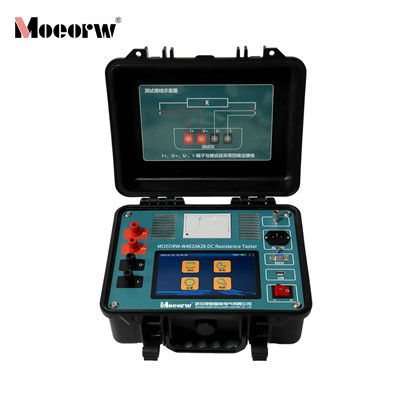
Transformer DC Winding Resistance Tester If you are in the market for a High Voltage Test System and are concerned about EMC compliance, we invite you to contact us to discuss your specific requirements. Our team of experts will be happy to provide you with more information about our products and how they can meet your needs. We look forward to the opportunity to work with you and to help you achieve your high – voltage testing goals.
References
- IEC 61000 series of standards, International Electrotechnical Commission.
- IEEE C62.41, IEEE Guide for the Classification of Surge Environments in Low – Voltage (1000 V and Less) AC Power Circuits.
- IEEE 515, IEEE Guide for the Installation and Maintenance of High – Voltage Test Techniques.
- FCC regulations, Federal Communications Commission, United States.
Wuhan Moen Intelligent Electric Co., Ltd.
As one of the most professional high voltage test system manufacturers in China, we’re featured by quality products and good price. Please rest assured to buy high quality high voltage test system in stock here and get quotation from our factory. Customized orders are welcome.
Address: Building A, No.1, Fenghuangyuan 2nd Road, Donghu New Technology Development Zone, Wuhan, Hubei, China
E-mail: info@hvhipotsystem.com
WebSite: https://www.hvhipotsystem.com/
