Hey there! I’m a supplier of customized OLED displays, and today I wanna chat about whether there are any regulatory requirements for these displays. It’s a question that comes up a lot, especially when clients are looking to get their hands on a unique OLED solution. Customized OLED Displays

First off, let’s talk about what customized OLED displays are. They’re not your run – of – the – mill off – the – shelf screens. These are displays that are tailored to specific needs, whether it’s for a particular device, a unique design, or specific performance requirements. As a supplier, I’ve seen all sorts of requests, from displays with special shapes to those with high – end color accuracy for professional applications.
So, are there regulatory requirements? The short answer is yes. And it makes sense when you think about it. These displays are used in all sorts of products that end up in the hands of consumers, so there need to be rules to ensure safety, environmental friendliness, and proper functionality.
One of the big regulatory areas is safety. OLED displays use electricity, and there’s always a risk of electrical hazards. In many countries, there are standards that govern things like electrical insulation, short – circuit protection, and over – current protection. For example, in the United States, the Underwriters Laboratories (UL) has a set of standards for electronic displays. If a customized OLED display is going to be sold in the US market, it needs to meet these UL standards. This means that during the manufacturing process, we have to test the displays to make sure they don’t pose any electrical risks to the end – user.
Another important aspect is environmental regulations. OLED displays contain various materials, some of which can be harmful to the environment if not disposed of properly. There are rules about the use of hazardous substances, such as lead, mercury, and cadmium. The Restriction of Hazardous Substances (RoHS) directive in the European Union is a well – known example. It restricts the use of certain hazardous materials in electronic and electrical equipment. As a supplier, we have to make sure that the materials we use in our customized OLED displays comply with RoHS and similar regulations in other regions. This not only helps protect the environment but also allows our products to be sold in a wider range of markets.
When it comes to functionality, there are also regulatory requirements. For instance, there are standards for display resolution, color accuracy, and brightness. These standards ensure that the display performs as expected and provides a good user experience. In the case of displays used in medical devices, there are even more stringent requirements. Medical displays need to meet high – level accuracy and reliability standards to ensure that they can be used safely in a medical setting.
Now, let’s talk about how these regulatory requirements affect us as a supplier. On one hand, they add an extra layer of complexity to the manufacturing process. We have to make sure that every step of production, from material selection to final testing, complies with the relevant regulations. This means investing in quality control systems and testing equipment. But on the other hand, these regulations also give our clients peace of mind. They know that the customized OLED displays they’re getting are safe, environmentally friendly, and perform well.
As a supplier, we also have to stay up – to – date with the latest regulatory changes. Regulations can change over time, and new standards can be introduced. For example, as technology advances, there might be new requirements for energy efficiency in displays. We need to be aware of these changes and adapt our manufacturing processes accordingly. This requires us to have a good relationship with regulatory bodies and industry associations.
One of the challenges we face is dealing with different regulatory requirements in different regions. For example, a display that meets the standards in one country might not meet the standards in another. This means that we have to be flexible and able to customize our products not only in terms of design and performance but also in terms of regulatory compliance. It can be a bit of a headache, but it’s part of the game when you’re in the business of supplying customized OLED displays.
So, if you’re thinking about getting a customized OLED display, don’t be scared off by the regulatory requirements. As a supplier, we’re here to help you navigate through all these rules. We have the expertise and experience to make sure that your display meets all the necessary standards. Whether you’re in the consumer electronics industry, the automotive industry, or the medical field, we can work with you to create a display that’s not only unique but also compliant with the relevant regulations.
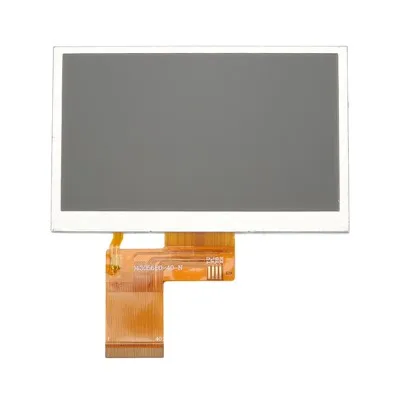
If you’re interested in learning more about our customized OLED displays or have any questions about regulatory requirements, feel free to reach out. We’d love to have a chat with you and discuss how we can meet your specific needs. Whether it’s for a small – scale project or a large – scale production run, we’re ready to provide you with the best possible solution.
LED Backlight Modules References:
- Underwriters Laboratories (UL) standards for electronic displays
- Restriction of Hazardous Substances (RoHS) directive
- Industry – specific standards for display functionality in different sectors such as medical and automotive.
Yueqing Bolong LCD Technology Co., Ltd.
As one of the leading customized oled displays manufacturers and suppliers in China, we warmly welcome you to buy advanced customized oled displays made in China here from our factory. If you have any enquiry about cooperation, please feel free to email us.
Address: 2nd Flr., Bld. 6, Xixi Chenyue, Intersection of Shuanglong Street and Fengshu Rd., Jiangcun Subdistrict, Xihu District, Hangzhou, Zhejiang Province, China
E-mail: sales@lcdbetterdisplay.com
WebSite: https://www.lcdbetterdisplay.com/
